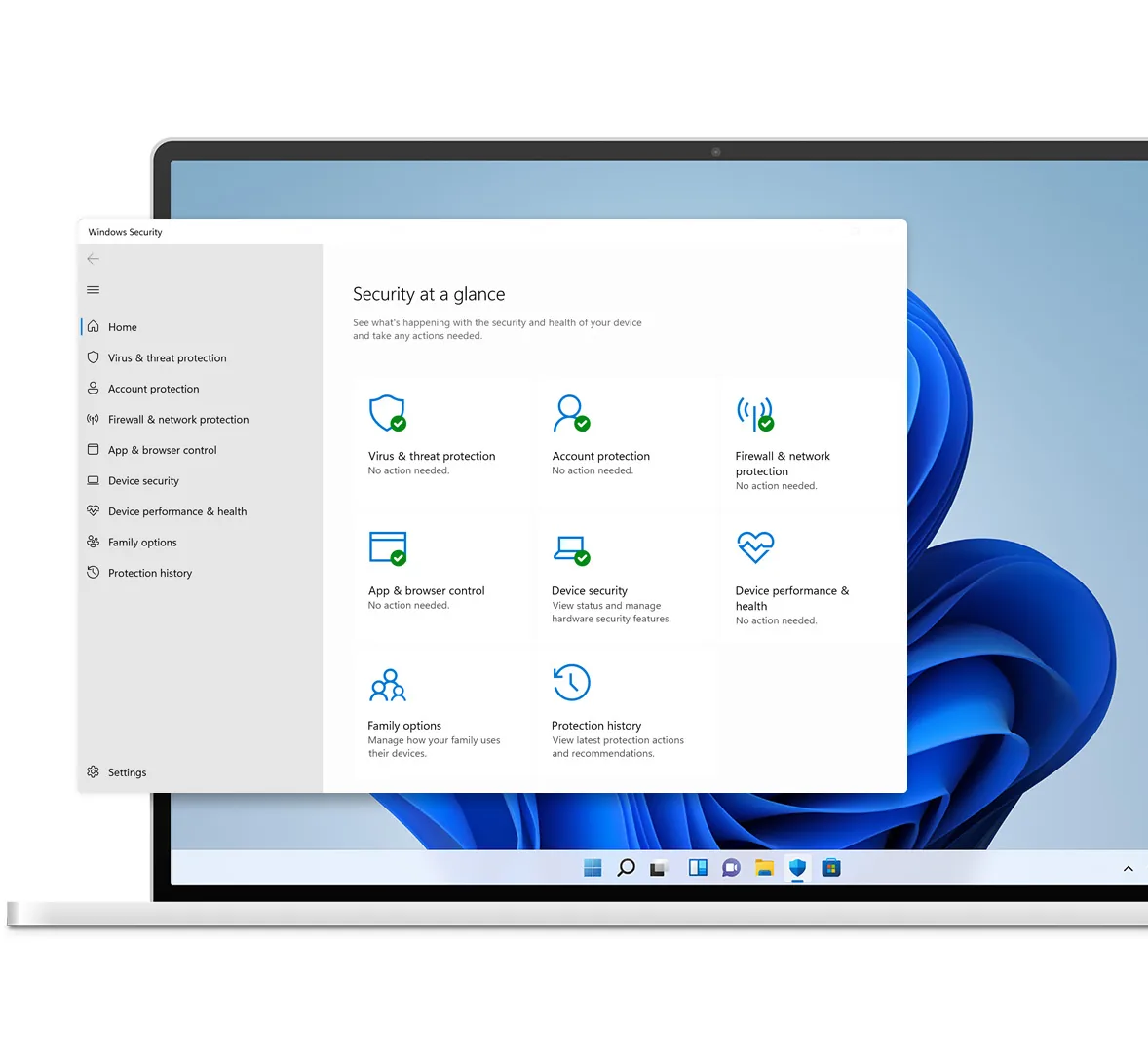
Should a business disable Microsoft Defender?
In most business environments, permanently disabling Microsoft Defender or turning off endpoint protection is not the safest answer. Defender may need to be adjusted for a managed security platform, a line-of-business application, or a controlled troubleshooting window, but those changes should be documented, limited, and reviewed by someone responsible for security.
Disabling protection across a workstation or server can leave the business exposed to malware, credential theft, ransomware, malicious email attachments, and unsafe downloads. It can also make compliance and cyber insurance conversations harder because the company no longer has a clear endpoint protection baseline.
When Defender settings may need to change
There are legitimate cases where Defender settings should be tuned. A business may be deploying a managed endpoint detection and response platform, troubleshooting a false positive, excluding a trusted application path, or standardizing security policy through Microsoft Intune or Group Policy. The important difference is that these are managed changes, not blanket disablement.
Before changing Defender, confirm what tool will replace the protection, who will monitor alerts, how exclusions will be approved, and how the setting will be reversed if the original issue returns. A short-term change for troubleshooting should not become a permanent blind spot.
Safer alternatives to disabling Defender
- Use a managed antivirus or EDR platform with centralized monitoring.
- Create narrowly scoped exclusions for verified business applications.
- Manage security settings through Microsoft Intune, Group Policy, or another documented policy tool.
- Keep real-time protection, cloud-delivered protection, and automatic sample submission aligned with your security policy.
- Review endpoint alerts, patch status, backup coverage, and user permissions together instead of treating antivirus as a standalone setting.
How managed cybersecurity support helps
A managed IT provider can help decide whether Defender should stay enabled, be configured differently, or be replaced by another security tool. Northwest IT Company helps businesses review endpoint protection, patching, Microsoft 365 security, MFA, backups, firewalls, and user access so security decisions are made as part of a larger plan.
If Defender is creating alerts or blocking a business application, we can help investigate the cause, document the fix, and avoid risky permanent disablement. The better goal is not simply turning a tool off; it is making sure the business has dependable endpoint protection without disrupting daily work.
For many organizations, the right answer is a documented endpoint security standard. That standard should explain which devices are covered, what protections are required, how exceptions are approved, how alerts are reviewed, and who is responsible for follow-up. It should also connect endpoint protection to backups, patching, MFA, email filtering, and employee security habits.
When those pieces work together, security becomes easier to maintain. Staff can keep working, leadership has better visibility, and the business avoids the hidden risk of unmanaged exclusions or disabled protection.
Need help with endpoint security?
Talk with Northwest IT Company about cybersecurity services or managed IT services before making permanent endpoint protection changes.